
Book Now

Call Us 07 3269 2443

Diabetes: Gum Mouth And Teeth Problems To Watch
Diabetes: Gum Mouth And Teeth Problems To Watch

Did you know that having diabetes increases your risk of gum, mouth and teeth problems? Gum disease, the most common oral health problem associated with diabetes, can also make it harder to control your blood sugar levels. If you have diabetes, here are some important tips to keep your teeth and gums in tip top shape. Gum disease Gum disease, also known as periodontal disease, is the most common gum, mouth and teeth problem faced by diabetics. If left untreated it can lead to tooth loss, and the resulting inflammation can also make it harder to manage your blood sugar levels. Diabetes increases your risk of gum disease in two different ways. When blood sugar levels are not well controlled, this also increases sugar levels in the fluids in your mouth, which feeds bacteria associated with gum disease. Diabetes can cause thickening of blood vessels that carry essential nutrients including oxygen and remove waste products from parts of your body. When the blood vessels of your gums, mouth and teeth are affected in this way, it increases your risk of gum disease by weakening the immune system in your mouth and increasing the risk of infection in your gums. Warning signs of gum disease If you notice any of the following symptoms it’s important that you follow up with a visit to a good dentist who understands how diabetes can affect your gum health. Don’t ignore these symptoms of gum disease: Bleeding gums when brushing or flossing. This is called gingivitis and is the first stage of gum disease. Receding gums. Bad breath. Gums that are sore, tender or swollen. Your teeth feel loose, or the way they fit together when you bite has changed. Your dentures, partial dentures or bridges have changed the way they feel or fit. How to prevent gum, mouth and teeth problems if you have diabetes Don’t ignore the symptoms of gum disease. With a bit of help from your dentist you can successfully treat and prevent gum or periodontal disease. See your dentist twice a year to remove plaque and tartar. Tartar is plaque that has hardened and cannot be brushed off with a toothbrush. It needs dental treatment to be removed. Brush your teeth twice daily. Floss regularly. Control your blood sugar levels with a healthy diet and medication if needed – speak to your doctor about how to do this. If you’re struggling with controlling your blood sugar levels with your diet, ask for a referral to a dietician or nutritionist. Dental treatments for diabetics Don’t forget to tell your dentist if you have been diagnosed with diabetes. They can put an action plan in place to help you avoid or...

Read More
Is Invisalign Teeth Straightening The Answer To Your Dream Smile?

Is Invisalign Teeth Straightening The Answer To Your Dream Smile?

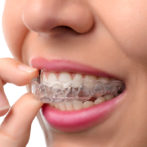
Got Crooked Teeth? Adult Teeth Straightening Options: Invisalign Vs Braces Everyone notices a fabulous smile. Straight, white teeth look great and boost confidence. But the decision to straighten your teeth in adulthood is a big one. If you’ve been unhappy with your smile for some time, it can be life-changing to finally take the leap. But with advancements in teeth straightening solutions, you might feel confused about which treatment is the right one for you. Read on to discover some of the differences between traditional braces and Invisalign teeth straightening. Aesthetics Deciding to straighten your teeth in adulthood is exciting, but you may be concerned about how your teeth will look during the treatment. Braces: metal or ceramic brackets are cemented to your teeth and tied together with wires and rubber bands. Even with enamel-coloured brackets, braces applied to the front of the teeth are always visible. Invisalign: clear plastic aligners are custom-fit to be worn comfortably over your teeth. These are virtually invisible and are removable. Treatment time and cost This really depends on the complexity of each individual case but, on average, treatment with traditional braces takes two years. The average treatment time for Invisalign teeth straightening is one year. The costs for each treatment are comparable. Your trusted Brisbane dentist can discuss costs and any other questions you may have. Pain and discomfort Straightening your teeth does cause some discomfort; you are effectively moving the teeth which will always involve a sensation of pressure. Braces: you can expect some pain each time your braces are adjusted. There is also the risk of mouth ulcers and irritation caused by the metal brackets and wires. Invisalign: In the early stages of treatment, you may find that the aligners cause some pressure and discomfort as the teeth begin to move. Day to day maintenance Wearing any teeth straightening appliance requires some daily considerations. Braces: You might consider avoiding certain foods (like hard apples) whilst wearing braces. Teeth can be difficult to clean after eating and a water pick is often recommended. Invisalign: Your aligner must be removed before eating and drinking (excluding water) and teeth must be brushed after each meal to avoid staining. The aligner trays should be brushed and rinsed in lukewarm water. Follow-up visits Traditional braces require monthly visits to the orthodontist. Invisalign teeth straightening requires check-ups every six weeks. Once again, every mouth is unique, so your dentist can advise of the specific time frames required to straighten your smile. It’s never too late to get the smile you’ve been dreaming of. To find out if Invisalign teeth straightening is the right choice for you, book an appointment with Robert Duhig Dental today on (07)...

Read More

School Dentists Are Great BUT Here’s Why You Still Need To See Your Family Dentist

School Dentists Are Great BUT Here’s Why You Still Need To See Your Family Dentist

Before you discount the importance of a family dentist, STOP and read this, it could save your child’s teeth! From a young age you teach your child how important looking after their teeth is, you take it upon yourself to ensure you are doing everything possible to make sure their dental health is A1. So why would you not consider seeing a family dentist in North Brisbane as well? Here are a few reasons why you should! Family dentists are important Having the option to visit the school dentist is great and the benefits are undeniable but there are also just as many reasons why you should visit a family dentist as well. Regular check-ups – The school dentist only visits once a year, while this free service is fantastic and essential for many families, sometimes it isn’t enough. Regular check-ups are crucial in maintaining proper oral hygiene. These check-ups and cleans at the family dentist can potentially save your child from having to have a tooth pulled instead of just having a filling. Children’s teeth change – As children grow so do their teeth. When baby / milk teeth fall out and the new adult teeth grow through, it is important that you keep an eye on them. Are they too cramped or are they growing in on an angle? Issues like this can become major concerns for dental health and confidence down the track so it is imperative that you pay a visit to your family dentist at least every six months. Get familiar – By visiting a regular family dentist it helps not just you but also the kids to form a relationship with the dentist. This is crucial in forming trust between the dentist and child as trust can relieve (if not completely eliminate) fear of going to the dentist. Seeing the same dentist consistently will also allow the dental staff to become more familiar with your family and children and know what their dental weaknesses are. This knowledge could prevent serious work to be required in the future. Visiting the school dentist is not an option that is available to everyone so if it is offered to your child, you should definitely take it. You can never invest enough time into your child’s dental health. Even the best dentist North Brisbane has will tell you the same! Find your regular family dentist in North Brisbane and give your kids the best care...

Read More

5 Unexpected Things Your Dentist Wishes You Did Every Day for a Healthy Mouth

5 Unexpected Things Your Dentist Wishes You Did Every Day for a Healthy Mouth

Keeping your teeth in tip top condition involves a little more than twice yearly visits to the dentist. Implement these dental tips into your daily routine to set you on the right track to maintaining a healthy smile for life. Eat foods rich in calcium and phosphorous A balanced diet is one of the simplest ways you can give your teeth and gums the right nutrients to safeguard them against bacteria and disease. Calcium and phosphorous work hand-in-hand to keep your teeth and jawbone strong and healthy. Teeth love calcium, so be sure to include dairy into your diet. You can also source calcium from oranges, green vegetables, brown rice and salmon. You will get your daily dose of phosphorous from cereals, wheat germ, soya beans, nuts, meat, fish, poultry, eggs, grapes, citrus fruit, cucumbers and tomatoes. Take vitamins good for your teeth If you’re worried your teeth and mouth aren’t getting the nutrients they need to protect them, consider taking vitamins. Calcium and Phosphorous play a key role in maintaining healthy teeth and jawbone, while Vitamin D promotes absorption of Calcium and Phosphorous. Vitamin D also helps decrease inflammation of gums. Vitamin A prevents a dry mouth, while Vitamin B can help lessen your risk of mouth sores and inflammation. If you don’t think you’re getting your daily dose of vitamins, consult your dentist to find out which vitamins are right for you. Clean your tongue When was the last time you cleaned your tongue? Cleaning your tongue is just as important as brushing and flossing. Tongues can harbour harmful bacteria causing bad breath, plaque build-up, tooth decay and gum disease. Invest in a tongue scraper, or use your regular toothbrush to clean your tongue. Start incorporating tongue cleaning into your twice daily brushing routine and you’ll wonder why you’ve never done it before. Floss daily Flossing is one of those things you know you should be doing, but rarely do. Your dentist recommends flossing twice daily to remove food and bacteria from those hard to reach places. Flossing is an easy way to avoid plaque, bacteria build-up, and gum disease. Add flossing into your twice daily brushing routine to give your mouth and teeth a thorough clean and safeguard against bacteria. Check your teeth and gums daily When you’re brushing and flossing, check your teeth and mouth for changes. Keep an eye on your gums. Are they red, sore or swollen? When you spit out, is there blood. If you suffer from bad breath, or have sensitive or loose teeth, these are warning signs. Book an appointment with your dentist without delay. Book an appointment with Robert Duhig Dental today on (07) 3269 2443 for a thorough...

Read More

What Could it Mean if Your Kids Snoring?

What Could it Mean if Your Kids Snoring?

Should you ignore or seek treatment for your kids snoring? The problem could be more serious than you think. Kids snoring? Don’t ignore the snore Snoring can be a problem for families and couples. It’s the source of many restless nights – particularly if you’re the person who has to hear it! But is there a hidden danger in our kids snoring that we’re not aware of? What are the medical risks associated with kids snoring? A recent study conducted by the Monash University of Melbourne at the new Monash Children’s Hospital sought to examine the health consequences associated with snoring in childhood. Alarmingly, it was revealed that the older children in the study (those aged 7-12) for the most part exhibited increased blood pressure levels. The kids snoring also showed increased levels of poor behaviour than their snore-free peers as well as lower levels of intellectual ability. The study took place over a four-year period so the more far-reaching impacts of childhood snoring aren’t yet known. Based on these figures, however, it appears that the physical changes the brain experiences during snoring mean it can only access lower levels of oxygen. This can have lasting impact on cognitive and physical function. How do I treat my kids snoring? If your house is full of kids snoring, it’s best to seek treatment sooner rather than later. A visit to your GP is recommended as a first port of call. It’s there that you’ll receive a referral to an ENT (Ear, Nose and Throat) specialist. There are a few options for treatment depending on the severity of the problem. Some snoring issues may be solved with a course of steroids. Nasal spray is usually preferred as a treatment for children as opposed to tablets which can be quite harsh. Skin prick testing to see if the cause is allergen-based may also take place. For more severe cases surgery on the tonsils or adenoids may be the outcome. Why are my kids snoring? There may be a number of reasons why your children are snoring which will be explored by your medical professional. Some of these may be hereditary or environmental. A calm, considered approach on the advice of your doctor will be able to unpack the cause and determine best...

Read More