Book Now

Call Us 07 3269 2443

What Diseases Can A Dentist Diagnose?
What Diseases Can A Dentist Diagnose?

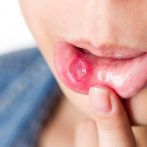
A simple visit to your dentist could give you early warning of serious diseases. Your dentist will examine your teeth, gums and your mouth overall and can check for signs of problems with your general health. At Robert Duhig Dental, we are passionate about patient health, and it doesn’t just stop with healthy teeth! Dental diagnostics for thousands of systemic diseases Your mouth can tell a thousand tales! There is mounting evidence that up to 90% of systematic diseases manifest oral symptoms, suggesting your dentist should be the first port of call for disease diagnosis. To ensure the best possible dental treatment, patients should: Choose a dentist and stick with that dentist Choose a dentist who is highly observant, and never “rushed” Make an appointment immediately if you notice any changes in your mouth Inform your dentist of any recent illnesses or symptoms Follow through with any further testing or treatment recommended   Warning signs it’s time to make an appointment Many of the common warning signs of serious disease can also be something completely benign. It’s vital to check with your dentist to be sure. A dental diagnosis will often rule out serious disease and your dentist can help you with simple ways to prevent further problems. Mouth Ulcers We’ve all had an ulcer from time to time, and usually it’s a symptom of a minor bacterial infection in your mouth or an issue with the alignment of your teeth. Mouth ulcers are rounded sore/s inside your mouth that have swelling and tenderness around the sore. If you’re frequently suffering from ulcers, have mouth ulcers that won’t heal or have a particularly bad outbreak, this may be a sign of “nothing serious” but can also indicate: Reactions to drugs Reaction to certain chemicals Herpes simplex Autoimmune diseases Syphillis Gonorrhea TB Hand foot and mouth disease HIV Lymphoma Diabetes Mellitus Behcet’s Syndrome Inflammatory bowel disease Rare forms of arthritis Wegener’s Granulomatosis Fungal diseases Various cancers Varicella Rubeola Epidermolysis Bullosa     Oral Lesions Oral lesions are discoloured spots or shapes inside your mouth. They can be white, purple, brown, black or even near to invisible, they can be very painful or not painful at all. Different kinds of lesions appear in different parts of the mouth and can be completely harmless or very serious. Because there are so many types and because they appear in so many places, it’s impossible to self-diagnose an oral lesion. If you notice a change in your mouth, it’s time to see a dentist. A lesion could be a simple, no worries issue or it could indicate: Oral cancer Submucous fibrosis Fordyce’s ganules Ectopic lymphoid tissue Cysts Parulis Lipoma HIV Vascula diseases Pregnancy Various granulomas Yeast...

Read More

Happy Anniversary - 33 Years in Sandgate!

Happy Anniversary – 33 Years in Sandgate!

  On June 1st, 1983, Robert Duhig opened his dental practice here in Sandgate. Back then, he was at Laurel’s Arcade at the other end of our little high street. In 1993 Robert Duhig opened in the current site, just opposite the Town Hall. In 33 years, we’ve been proud to provide the highest quality dental services to the folks of Sandgate, and now treat four generations of some of the local families! Sally Ann Atkinson was on the rise. Image Credit 33 years is a long time! It was the year that Malcolm Fraser was granted a double dissolution in parliament. It was the year Bob Hawke became prime minister. It was the year we won the America’s Cup. The average wage was $319.60 per week. Electric trains had been coming to Shorncliffe for just a year. There was no Gateway Bridge, so trips down to the other side of the river meant packing a lunch!                     Sandgate foreshore was a quiet day trip destination for Brisbane families Image credit     We went to Redcliffe via the bumpiest bridge in Brisbane Image Credit Parents actually took their kids for a day trip on one of the fancy new banana busses! Image Credit Everyone shopped at Toombul because Chermside was so small and lame!   Image Credit Sandgate got its beautiful Senior’s Centre. Image Credit And a trip to the Queen Street Mall was a BIG day out! Image Credit In 1983 Rob the Dentist was still someone who couldn’t show his face on TV and most of our staff were little tykes - some weren’t even born yet!     Brisbane was a lot smaller in 1983 when Rob Duhig first moved into Sandgate. It was still a “big town” and the local dentist was still just like a country doctor - someone everyone knew and everyone could call on. We’re still lucky to have Sandgate “township” but as the years go by, there’s more and more big business moving in. We’re proud to have been part of Sandgate for so long and we look forward to fixing your grandkid’s teeth in the future!              ...

Read More

What happens at a halitosis test?

What happens at a halitosis test?

Halitosis can be a serious condition. It can be a sign of something wrong in your digestive system or an early indicator of diseases of the mouth. It’s one of the most ignored signs of disease because sufferers find it an embarrassing condition. There’s a simple halitosis test that is non-invasive, quick and scientifically proven to get to the heart of the problem – and Robert Duhig Dental has one of the few testing apparatus in Queensland. Testing bad breath for chemical signatures A halitosis test is designed to detect chemical signatures in your mouth. These signatures can then be used to determine the kind of bacteria causing sour breath so we can put a treatment plan in place. Bacterial imbalance in the mouth is usually caused by anaerobic bacteria that cause minor breakdowns of tissue in the mouth, the results are hydrogen sulphide, methyl mercaptan and dimethyl sulphide – stinky gasses that cause bad breath. These anaerobic bacteria are hardy little suckers too – often immune to mouthwash and anti-biotics. If you’ve found that no matter how much brushing you do, you still suffer halitosis, a solution may be one simple appointment away.   Often treatment is as simple as using pro-biotic lozenges for a couple of weeks. If there is a deeper problem, including gum disease, your dental hygienist can usually help you put a plan in place to reverse the effects. Your halitosis check Your halitosis check is a simple procedure. A dental hygienist will first explain what you need to know about the test and ask you some questions about your halitosis. Halitosis can be caused by rapid weight loss diets, medications, certain foods – not just your dental hygiene regime. Next your dentist will do a basic examination of your teeth and gums to ensure there’s no underlying causes such as gingivitis or periodontal gum disease. This quick, simple examination could prevent long term and costly dental problems. A sample of your breath will then be taken via a syringe (no needle required!) and then inputted into the gas analysis machine for testing. The testing machine then generates a print out of the breakdown of gasses in your mouth. Your dentist will analyse the make-up of your mouth’s “eco-system” and determine the underlying problem. In most cases, the diagnosis will be an imbalance of “good bacteria” in your mouth. This allows for pockets of “bad bacteria” to build up. Treatment and prognosis On rare occasions, your dentist may refer you to your GP for further testing. This may be when a bad breath issue is likely linked to an underlying health issue. Treatment is usually pro-biotic dental lozenges and an adjustment to your dental...

Read More

Get Oral Probiotics In Brisbane

Get Oral Probiotics In Brisbane

Get Oral Probiotics In Brisbane Probiotics are the name given to the good bacteria that live throughout your digestive tract. You’re probably aware that probiotic supplements can help with all kinds of digestive problems, but did you know that you can get specific oral probiotics formulated to keep your mouth healthy and even help combat bad breath? If you’re in Brisbane, you can now buy the world’s first probiotic developed to maintain a healthy mouth and throat.   Bad breath is caused by sulphur producing bacteria Only 1% of bad breath is due to food and diet; a whopping 90% is due to various factors that allow bad bacteria in your mouth to proliferate and produce the volatile sulphur compounds that are responsible for bad breath.   Healthy mouth bacteria A healthy mouth should be populated with abundant numbers of the oral probiotic bacteria, Streptococcus salivarius. Poor oral hygiene, alcohol, antibiotics, sugar, antibacterial mouthwashes and other factors all result in lower levels of these good bacteria, allowing sulphur producing bacteria to flourish and cause bad breath. For reasons that doctors and researchers still can’t figure out, some people can do all the right things to keep their mouth healthy and clean but still have low levels of healthy bacteria and suffer bad breath as a result. In other words, some people are naturally blessed with high levels of healthy bacteria in their mouth. So if you’re diligent with your dental care but still battle bad breath, an oral probiotic will help.   Streptococcus salivarius K12 and BLIS Oral probiotics containing the bacteria Streptococcus salivarius K12 have been developed at The University of Otago, New Zealand by Professor John Tagg. Professor Tagg first discovered this treatment while looking for protective bacteria in the saliva of children who seemed resistant to developing throat infections. Oral probiotics were born when he noticed that this particular strain of bacteria produced antimicrobial substances that reduced numbers of bad bacteria in the mouth and throat. These antimicrobial substances were called BLIS and he termed the phrase BLIS K12 to describe Streptococcus salivarius K12.   How oral probiotics work to keep your breath fresh Oral probiotics that contain Streptococcus salivarius K12 work in two ways to keep down the levels of bad breath bacteria. 1. They crowd out the bad bacteria, and 2. They produce BLIS, bacteriocin like inhibitory substances, which attack and kill bad breath bacteria by rupturing their cell wall. BLIS also prevents them from being able to reproduce.   Oral probiotics for a healthy mouth and throat The world’s first oral probiotics containing BLISK12, designed specifically to combat bad breath and promote a healthier mouth and throat, are now available in Brisbane at...

Read More

Alcohol Causes Bad Breath

Alcohol Causes Bad Breath

Alcohol Causes Bad Breath But Not For The Reasons You Think   Most people are familiar with ‘hangover halitosis’, the seriously nasty alcohol breath that occurs after a prolonged session on the booze. But even if you’re not a big binge drinker, alcohol could be contributing to your bad breath problem. You probably associate alcohol breath with either a hangover or the short term lingering effects of beer or wine breath, but it’s far more insidious than this. Alcohol and other lifestyle choices cause bad breath by promoting the growth of bacteria in your mouth that produce some decidedly unpleasant aromas.   Bacterial balance is the key to fresh breath By far the biggest contributor to the daily battle with bad breath is the volatile sulphur compounds produced by certain bacteria in your mouth. The levels of these bacteria determine the degree of bad breath you experience. Volatile sulphur compounds are the same substances responsible for the smell of rotten eggs. These halitosis-inducing bacteria should be kept in check by both good bacteria and substances in your saliva. Some people are lucky and are born with naturally high levels of good bacteria, which helps to keep bad breath in check. But your diet and lifestyle go a long way to influencing the type of bacteria that make their home in your mouth.   Alcohol promotes bad bacteria in your mouth Alcohol dries out and dehydrates your mouth, allowing bad breath bacteria to thrive. These bacteria LOVE a dry mouth without any saliva to suppress their furtive antisocial activities. Even certain alcohol-containing mouthwashes can have the same effect as drinking wine, beer and spirits and contribute to alcohol breath If you’re drinking alcohol on a regular basis it will change the balance of bacteria in your mouth no matter how diligent you are with brushing and flossing.   Other foods and drinks that upset the bacterial balance Other foods and drinks that create bad breath by encouraging the growth of bacteria include: · Caffeine in energy drinks, coffee and tea; · Sugar; · Acidic foods such as coffee, tomato juice, citrus, pickles, tomato sauce or soft drinks; and · Dense protein foods such as cheese, meat, eggs, protein powder, protein bars and fish.   Ways to protect your mouth from alcohol breath Drinking plenty of water to keep your mouth and body as hydrated as possible can help to offset the drying effects of alcohol. Aim to drink a glass or two of water between each alcoholic drink to help minimise alcohol breath. Make sure it’s just plain old pure water as sugary soft drinks will only make your bad breath worse. Other steps you can take to help keep...

Read More