Book Now

Call Us 07 3269 2443

What To Do If Your Child Knocks Out A Tooth!
What To Do If Your Child Knocks Out A Tooth!

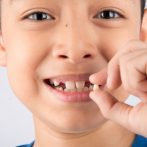
What To Do If Your Child Knocks Out A Tooth If your child knocks out his or her tooth, it can be a pretty scary situation for both you and your young one. What do you do, and how can you prevent any further damage to your child’s teeth? We’ve got a few simple steps for you to follow to ensure your child keeps their big, beautiful smile! Is it a baby tooth? If it’s a baby tooth that’s been knocked out, don’t worry – the situation is not quite as severe as with a permanent tooth. You still need to bring your child in to the dentist to have them examined, but there probably won’t be any treatment required. The dentist might decide to use a spacer to ensure that any teeth coming in don’t fill up the gap caused by the missing tooth, which could create further problems later on in your child’s life. What you definitely do not want to do is to try to re-insert the tooth back into the socket – you could damage any permanent teeth under the gum line. Provide pain relief in the form of over the counter medication and cold packs to make sure your child stays as comfortable as possible until their dentist appointment. Is it a permanent or adult tooth? If your child has knocked out a permanent tooth, get them in to see the dentist immediately. Time is of the essence! Make sure you search the area thoroughly until you find the tooth, and then follow these simple steps: Only handle the tooth by the crown (the exposed part of the tooth) and gently rinse it with water. Do not scrub it or use anything else to clean it as you may damage it further. You can either a) re-insert it back into the socket and hold it in place with gauze, or b) place it in a glass of milk for transportation to the dentist. Do not wrap it in a serviette or place it in glass of water! Call your dentist immediately – you need to act very quickly if you want to save the tooth. After hours care is available if you need it. If you can’t locate the tooth, there is a chance your child may have swallowed it. You might need to contact your child’s doctor and have an x-ray performed If there’s any facial swelling or pain, you can use cold packs and over the counter medication to make your child more comfortable until they see the dentist. If you child knocks out a tooth, don’t panic! No matter how much blood they lose or pain they’re in, you experienced dentist...

Read More


What Happens When An Adult Tooth Comes In Behind a Baby Tooth?

What Happens When An Adult Tooth Comes In Behind a Baby Tooth?

What Happens When An Adult Tooth Comes In Behind A Baby Tooth? The loss of one of your child’s baby teeth is usually a very exciting time! They may have a tall tale to tell about how it came out and be awaiting a visit from the Tooth Fairy. However, it can become frustrating if the baby tooth refuses to budge. You may even notice another tooth beginning to grow from behind it. If you notice an adult tooth growing behind a baby tooth, don’t be alarmed! There is an explanation for this. How does it happen? Most of the time adult teeth come up underneath baby teeth, forcing them to fall out. This is how we end up with our permanent set of teeth. Sometimes an adult tooth will form and grow behind a baby tooth. Also known as shark teeth, this is a condition that can occur when the baby tooth takes a prolonged time to fall out or if the child’s mouth is crowded. It may look unusual, but this is a far more common occurrence than you may think it. Around 10% of children will experience an adult tooth coming in behind a baby tooth. It’s most common in six to seven year old children, around their lower and upper front teeth. Should I be worried? If you notice an adult tooth behind your child’s baby tooth, don’t panic! The best thing you can do is to encourage your child to wiggle the baby tooth with side to side motions and twisting. This will help coax the tooth to fall out and allow the adult tooth space to move. The only problem that can occur is if the baby tooth refuses to come out even after trying to coax it out manually. If you find that the baby tooth hasn’t budged after a few weeks, contact us at Robert Duhig Dental for advice. What happens if the adult tooth is crooked? Once the baby tooth falls out on its own, the adult tooth may appear to be crooked. This isn’t a serious concern as the tooth can correct its position over time. This tooth adjusting process can take up to a year. However, if your child has a crowded mouth, they may need assistance in the teeth straightening process. At Robert Duhig, we can provide helpful advice on what to do if your child needs their teeth straightened. Robert Duhig Dental understands the gentle process needed when it comes to providing dentistry for kids. Located on Brisbane’s north side, we provide dentistry that will help care for your child’s baby and permanent teeth. If you notice an adult tooth growing behind a baby tooth that...

Read More

Teeth Eruption Timetable For Baby And Adult Teeth

Teeth Eruption Timetable For Baby And Adult Teeth

Teeth Eruption Timetable For Baby And Adult Teeth Teething. It’s every parent’s nightmare but an essential part of childhood growth and development. The following teeth eruption timetable will help to give you an idea of when and what to expect with your child’s teething. Like any milestone, the teeth eruption timetable is a rough guide; some children will teeth earlier or later than others. Some babies are already sporting a few shiny white teeth when they’re born! Baby vs adult teeth For most babies, their very first tooth will emerge around 6-8 months of age. They tend to emerge in pairs at either the top or the bottom. As a general rule, there will be four teeth erupting every six months until they have a total of twenty baby teeth: ten in the top and ten in the bottom at around the age of three. Baby teeth are also referred to as primary or deciduous teeth and will begin to slowly fall out, making room for permanent adult teeth from the ages of six to thirteen. The very last adult teeth to emerge, usually between seventeen to twenty one years of age, are the third molars or wisdom teeth. There are thirty two permanent adult teeth. Baby or primary: 6 months to 3 years Baby or primary teeth usually begin to emerge in pairs around the age of 6 months. The very first teeth that break through your baby’s gums between 6-10 months will typically be both front bottom teeth, known as central incisors. Their matching top central incisors should be the next teeth to emerge around 8-12 months. The teeth on each side of the front incisors, called the lateral incisors, are next to break through. This starts with the top pair this time, around 9-13 months, shortly followed by the bottom lateral incisors between 10-16 months. Next come the canine or cuspid teeth between 16-23 months. The upper canines will usually erupt first, followed quickly by the bottom pair. Then come the very first set of molars at 13-19 months. Finally, the second molars are the last on the teeth eruption timetable and appear between 2 to 3 years. Then there’s a break of three to four years before the adult teeth begin to appear. Adult teeth: 6 to 12 years Shortly after the age of four, you’ll probably start to notice some major changes in the shape of your child’s face and gaps appearing between their baby teeth. This is due to their jaw and facial bones growing and creating space in their jaw for their thirty two permanent adult teeth, which begin to appear around the age of six to seven. Baby or primary teeth...

Read More

Reasons to Quit Sugar: It’s Not Just About Healthy Teeth

Reasons to Quit Sugar: It’s Not Just About Healthy Teeth

Reasons to Quit Sugar: It’s Not Just About Healthy Teeth? Are you a sugar junky and need some GOOD reasons to quit sugar for good – or at least take a holiday from it? Here are 7 reasons to quit sugar today. Reduce wrinkles A diet high in sugar can accelerate the aging process and lead to an increase in wrinkles, sagging skin and dark circles under your eyes. When sugar enters your blood stream it binds with proteins to form a complex known quite literally as AGEs. AGEs or advanced glycation end products are toxic compounds produced every time you eat sugar. They fast track aging and wrinkles by damaging collagen and elastin, the proteins that keep your skin soft, supple and youthful. AGEs also make your skin more susceptible to sun damage. Quit sugar today and kiss AGEs goodbye. Healthier from the inside out Every organ in your body is happier and healthier when you quit sugar. Here’s a quick run down of how your body will be healthier from the inside out when you give up high sugar foods.   Liver – a diet high in refined sugars can increase your risk of developing the same type of liver damage caused by too much alcohol. Regular sugar is 50% fructose and high levels of fructose from simple, refined sugars found in cakes, biscuits, soft drinks and sweets (not fruit) are linked to non alcoholic fatty liver disease.   Pancreas – sugar forces your pancreas to work harder to produce more insulin. The more sugar you eat the harder your pancreas has to work. Flog your pancreas with a high sugar diet over many years and one day it will simply decide it’s had enough and quit. A worn out exhausted pancreas is a fast track to developing diabetes.   Kidneys – AGE’s, the toxic compound formed when sugar binds with proteins also slowly damage your kidneys. As your kidneys become progressively damaged by AGEs, their ability to remove and clear out these nasty age accelerators decreases so you age even faster.   Brain – whole books have been written comparing the addictiveness of sugar to cocaine. Thanks to modern neuroscience research we know that sugar literally hijacks and rewires your brains reward pathways making you crave more and more sugar. The effects on your brain don’t end there, it also slows brain function, hindering learning and memory and the inevitable blood sugar crash from that chocolate bar or can of fizzy drink also makes you cranky, irritable and tired. There is now good evidence that chronically elevated blood sugar levels leads to brain inflammation which can contribute to some forms of depression and increase your risk...

Read More

Does Your Child Have Dental Anxiety?

Does Your Child Have Dental Anxiety?

Does Your Child Have Dental Anxiety? Struggling to get your child to the dentist? Dental anxiety in kids is a common issue. Luckily there is something you can do about it! Why do children have dental anxiety? It’s perfectly normal for your child to worry about the dentist. If they are yet to visit a dentist for the first time, the stories they’ve heard or images they’re conjuring up in their mind could be quite different from the reality. Or, if your child has already undergone oral procedures he or she was not fond of, this can cause dental anxiety for future visits. Aside from that, your child’s dental anxiety could stem from the seemingly scary big chair, noisy machines and strange metallic instruments that are not found anywhere but the dentist’s rooms. These are big things for small people. Finally, it’s possible that you or other relatives in your family are fearful of the dentist or have been vocal about a bad experience. Children pick up anxieties from their elders and dental anxiety is no different. What can you do to alleviate dental anxiety in your child? Any of the above can cause worry for children, but the good news is, there are ways to combat dental anxiety early on. Don’t talk about your own negative dental experiences. Your own dental experiences are personal to you. Try not to voice your own negative dental experiences in front of your children. Remember that today’s dentists have improved technologies that alleviate pain and are far more sensitive to children’s needs than they might once have been. Start visiting the dentist from an early age. Take your children with you when you visit the dentist for a check-up yourself. By doing so, you instil the idea of positive experiences with dentists, which reduces dental anxiety due to fear of the unknown. Play pretend dentist visits. Consider acting out a pretend visit to the dentist to reduce dental anxiety. Have your child lie down on the couch or chair, then use a toothbrush to brush his/her teeth and count your little one’s teeth. Add some pretend equipment to the scenario – but nothing too daunting! Perhaps use mirrors or a face mask to add to the authenticity of your game? Emphasise the importance of dental health. You know the importance of dental hygiene, but your child with dental anxiety does not. Tell your child that the reason to visit to the dentist is to keep your teeth and gums healthy. Explain that healthy teeth and gums lead to beautiful smiles. Don’t delay! If your child has dental anxiety, book in a visit with Robert Duhig Dentist in Sandgate, north Brisbane by calling (07)...

Read More

Study Finds Bad Teeth Can Ruin Your Career

Study Finds Bad Teeth Can Ruin Your Career

It seems that the old adage that “straight teeth in your mouth is more important than the words that come out of it” remains true - at least when it comes to job interviews and promotions. A recent study by the The British Dental Association found that bad teeth can dramatically hinder job applicants at interview. When surveyed, 83% of respondents agreed that visibly decayed or missing teeth and bad breath would disadvantage applicants to a client facing role (eg. customer service, reception, solicitor). In fact, respondents would rather see an interviewee looking unkempt than lacking in dental hygiene. Bad teeth and breath were found to be the biggest hurdles to career advancement. Bad teeth and career prospects The report found that: 70% rated visibly decayed or missing teeth as a hindrance to gaining employment in client facing roles 62% rated bad breath as a hindrance to gaining employment in client facing roles 83% agreed that these factors are disadvantageous in a job interview for these roles 62% agreed that these factors would harm an interviewee’s chance in any role 60% agreed that these factors would hinder promotion prospects   Options for improving your smile, and your career prospects! If you’ve got a “bad smile” it’s likely that you feel self conscious not just in job interviews but in everyday interactions. So many of our cosmetic dentistry clients come to us because they want to feel more confident in social situation, first dates and when interviewing. Luckily dental technology has made leaps and bounds in recent years and there are some quick, simple fixes available. Crowns and Veneers Dark teeth and teeth that have suffered such decay that they cannot be saved by fillings… these are the main hindrances to climbing the corporate ladder. Veneers are placed in a cosmetic procedure called a “smile makeover”. Your new look tooth is colour matched to your existing teeth and bonded to the discoloured tooth. A crown is a ceramic or metal “tooth cover” that gives at flawless look - so it’s ideal for teeth front and centre of your smile. Learn more about cosmetic dentistry. Implants, Bridges and Dentures Implants replace missing teeth for a smoother smile, and for easier chewing! They’re tough and permanent. Bridges are also permanently placed but may need further maintenance in the future. Old fashioned dentures (or false teeth as they’re commonly known) are the most affordable option but can be fiddly and inconvenient. They’re also prone to making existing mouth issues worse. Learn more here. Zoom Whitening Attention coffee addicts and cigarette smokers! Zoom Whitening is ideal for removing “lifestyle stains” from your teeth. If you don’t want to advertise that you smoke a pack and drink five cups a day,...

Read More