Study Finds Bad Teeth Can Ruin Your Career
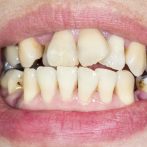
It seems that the old adage that “straight teeth in your mouth is more important than the words that come out of it” remains true - at least when it comes to job interviews and promotions. A recent study by the The British Dental Association found that bad teeth can dramatically hinder job applicants at interview. When surveyed, 83% of respondents agreed that visibly decayed or missing teeth and bad breath would disadvantage applicants to a client facing role (eg. customer service, reception, solicitor). In fact, respondents would rather see an interviewee looking unkempt than lacking in dental hygiene. Bad teeth and breath were found to be the biggest hurdles to career advancement. Bad teeth and career prospects The report found that: 70% rated visibly decayed or missing teeth as a hindrance to gaining employment in client facing roles 62% rated bad breath as a hindrance to gaining employment in client facing roles 83% agreed that these factors are disadvantageous in a job interview for these roles 62% agreed that these factors would harm an interviewee’s chance in any role 60% agreed that these factors would hinder promotion prospects Options for improving your smile, and your career prospects! If you’ve got a “bad smile” it’s likely that you feel self conscious not just in job interviews but in everyday interactions. So many of our cosmetic dentistry clients come to us because they want to feel more confident in social situation, first dates and when interviewing. Luckily dental technology has made leaps and bounds in recent years and there are some quick, simple fixes available. Crowns and Veneers Dark teeth and teeth that have suffered such decay that they cannot be saved by fillings… these are the main hindrances to climbing the corporate ladder. Veneers are placed in a cosmetic procedure called a “smile makeover”. Your new look tooth is colour matched to your existing teeth and bonded to the discoloured tooth. A crown is a ceramic or metal “tooth cover” that gives at flawless look - so it’s ideal for teeth front and centre of your smile. Learn more about cosmetic dentistry. Implants, Bridges and Dentures Implants replace missing teeth for a smoother smile, and for easier chewing! They’re tough and permanent. Bridges are also permanently placed but may need further maintenance in the future. Old fashioned dentures (or false teeth as they’re commonly known) are the most affordable option but can be fiddly and inconvenient. They’re also prone to making existing mouth issues worse. Learn more here. Zoom Whitening Attention coffee addicts and cigarette smokers! Zoom Whitening is ideal for removing “lifestyle stains” from your teeth. If you don’t want to advertise that you smoke a pack and drink five cups a day,...
Read More
Recent Comments