Book Now

Call Us 07 3269 2443

Does Your Child Have Dental Anxiety?
Does Your Child Have Dental Anxiety?

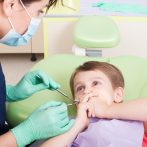
Does Your Child Have Dental Anxiety? Struggling to get your child to the dentist? Dental anxiety in kids is a common issue. Luckily there is something you can do about it! Why do children have dental anxiety? It’s perfectly normal for your child to worry about the dentist. If they are yet to visit a dentist for the first time, the stories they’ve heard or images they’re conjuring up in their mind could be quite different from the reality. Or, if your child has already undergone oral procedures he or she was not fond of, this can cause dental anxiety for future visits. Aside from that, your child’s dental anxiety could stem from the seemingly scary big chair, noisy machines and strange metallic instruments that are not found anywhere but the dentist’s rooms. These are big things for small people. Finally, it’s possible that you or other relatives in your family are fearful of the dentist or have been vocal about a bad experience. Children pick up anxieties from their elders and dental anxiety is no different. What can you do to alleviate dental anxiety in your child? Any of the above can cause worry for children, but the good news is, there are ways to combat dental anxiety early on. Don’t talk about your own negative dental experiences. Your own dental experiences are personal to you. Try not to voice your own negative dental experiences in front of your children. Remember that today’s dentists have improved technologies that alleviate pain and are far more sensitive to children’s needs than they might once have been. Start visiting the dentist from an early age. Take your children with you when you visit the dentist for a check-up yourself. By doing so, you instil the idea of positive experiences with dentists, which reduces dental anxiety due to fear of the unknown. Play pretend dentist visits. Consider acting out a pretend visit to the dentist to reduce dental anxiety. Have your child lie down on the couch or chair, then use a toothbrush to brush his/her teeth and count your little one’s teeth. Add some pretend equipment to the scenario – but nothing too daunting! Perhaps use mirrors or a face mask to add to the authenticity of your game? Emphasise the importance of dental health. You know the importance of dental hygiene, but your child with dental anxiety does not. Tell your child that the reason to visit to the dentist is to keep your teeth and gums healthy. Explain that healthy teeth and gums lead to beautiful smiles. Don’t delay! If your child has dental anxiety, book in a visit with Robert Duhig Dentist in Sandgate, north Brisbane by calling (07)...

Read More
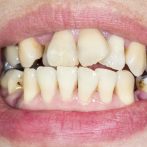

Study Finds Bad Teeth Can Ruin Your Career

Study Finds Bad Teeth Can Ruin Your Career

It seems that the old adage that “straight teeth in your mouth is more important than the words that come out of it” remains true - at least when it comes to job interviews and promotions. A recent study by the The British Dental Association found that bad teeth can dramatically hinder job applicants at interview. When surveyed, 83% of respondents agreed that visibly decayed or missing teeth and bad breath would disadvantage applicants to a client facing role (eg. customer service, reception, solicitor). In fact, respondents would rather see an interviewee looking unkempt than lacking in dental hygiene. Bad teeth and breath were found to be the biggest hurdles to career advancement. Bad teeth and career prospects The report found that: 70% rated visibly decayed or missing teeth as a hindrance to gaining employment in client facing roles 62% rated bad breath as a hindrance to gaining employment in client facing roles 83% agreed that these factors are disadvantageous in a job interview for these roles 62% agreed that these factors would harm an interviewee’s chance in any role 60% agreed that these factors would hinder promotion prospects   Options for improving your smile, and your career prospects! If you’ve got a “bad smile” it’s likely that you feel self conscious not just in job interviews but in everyday interactions. So many of our cosmetic dentistry clients come to us because they want to feel more confident in social situation, first dates and when interviewing. Luckily dental technology has made leaps and bounds in recent years and there are some quick, simple fixes available. Crowns and Veneers Dark teeth and teeth that have suffered such decay that they cannot be saved by fillings… these are the main hindrances to climbing the corporate ladder. Veneers are placed in a cosmetic procedure called a “smile makeover”. Your new look tooth is colour matched to your existing teeth and bonded to the discoloured tooth. A crown is a ceramic or metal “tooth cover” that gives at flawless look - so it’s ideal for teeth front and centre of your smile. Learn more about cosmetic dentistry. Implants, Bridges and Dentures Implants replace missing teeth for a smoother smile, and for easier chewing! They’re tough and permanent. Bridges are also permanently placed but may need further maintenance in the future. Old fashioned dentures (or false teeth as they’re commonly known) are the most affordable option but can be fiddly and inconvenient. They’re also prone to making existing mouth issues worse. Learn more here. Zoom Whitening Attention coffee addicts and cigarette smokers! Zoom Whitening is ideal for removing “lifestyle stains” from your teeth. If you don’t want to advertise that you smoke a pack and drink five cups a day,...

Read More

Got Sleep Apnea? We Can Help With Your Sleep Disorder Treatment

Got Sleep Apnea? We Can Help With Your Sleep Disorder Treatment

Suffer From Sleep Apnoea? This Is How We Can Help With Sleep Disorder Treatment Are you tired of waking up in the morning still feeling exhausted? Sick of wondering why after eight ‘solid’ hours of sleep you are still tired? You aren’t alone! It may be time to consider sleep disorder treatment. You have worked hard all day and cannot wait curl up in bed and get a good night’s sleep. Unfortunately, if you’re one of the 5% of Australians affected by sleep apnoea, a restful night is far from your reality. The good news is that you can get help and minimise side effects with effective sleep disorder treatment. How do you know if you suffer from sleep apnoea? As the name suggests, sleep apnoea occurs when you are sleeping. During sleep the walls of your throat come together, which ultimately blocks your airway. This results in breathing pauses typically lasting anywhere from a few seconds to several minutes, or repeated shallow breathing. Unfortunately, odds are you will not even realise if you suffer from a sleep disorder. Knowing the tell-tale signs will give you the knowledge you need to seek professional assistance and be diagnosed sooner. Signs of a sleep disorder include: excessive tiredness and possibly falling asleep throughout the day snoring waking from sleep gasping for air obesity high blood pressure. Diagnosing sleep apnoea is easy. Thanks to modern medicine, patients can now use home sleep testing equipment and perform the test in the comfort of their own beds. Once analysed, your doctor and dentist team can discuss treatment options with you. Sleep disorder treatment options Like most disorders, there are several treatment options available. They include: Continuous Positive Airway Pressure (CPAP) – This is a mask that is worn at night and transfers increased air pressure into the throat, preventing the throat walls from collapsing. It is a very effective treatment for severe cases, though many find this impractical as a long term solution. Oral appliances – Mouthguards are an option for mild to moderate cases. When sleeping they hold your jaw forward, changing the direction of airflow. Lifestyle changes – Reducing alcohol intake and losing weight can be a step in the right direction to improved sleep. Surgery – In some severe cases, having surgical adjustment of your upper airway obstruction is effective. You don’t have to suffer from sleep apnoea anymore. Speak to your healthcare provider about getting diagnosed and then consult a sleep disorder treatment specialist to help you get the good night’s rest you crave. If you want professional help from sleep disorder treatment experts, give the team at Robert Duhig Dentist a call today on 07 3269...

Read More

What’s a Snoring Mouthpiece? I’m Glad You Asked!

What’s a Snoring Mouthpiece?  I’m Glad You Asked!

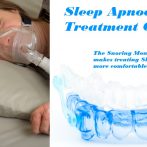
What Is A Snoring Mouthpiece? A snoring mouthpiece is a non-invasive, comfortable and affordable option for treating moderate sleep problems and disorders. If you snore, wake up feeling tired, constantly feel fatigued, or suffer from broken sleep, a snoring mouthpiece can be a simple and effective way to treat your sleep issues and help you say goodnight to interrupted sleep. How do snoring mouthpieces work? A snoring mouthpiece is an oral appliance, which positions the lower jaw forward. Moving the lower jaw forward allows the back of your throat to open, preventing your airway from collapsing during sleep and reducing your ability to snore. The mouthpieces can be customised and your dentist can assist you to ensure your snoring mouthpiece fits comfortably within your mouth. The devices are user friendly and easy to insert and remove. Why a snoring mouthpiece? When it comes to treatment options for sleep issues and disorders, snoring mouthpieces are the least invasive treatment option available. Alternatives to snoring mouthpieces include the Continuous Positive Airway Pressure (CPAP) machine, which some find difficult to sleep with and intrusive. The other option is surgery. Snoring mouthpieces are an effective anti-snoring solution and proven to treat moderate sleep apnoea and similar sleep disorders. Sleep apnoea Snoring can be a warning sign of a serious condition known as obstructive sleep apnoea. If you have obstructive sleep apnoea you can stop breathing while sleeping from 10 seconds to more than a minute due to your airway collapsing. This results in broken sleep leaving you feeling tired when you wake and exposing you to the risk of accident and injury due to fatigue. Sleep apnoea and other sleep disorders are serious and can be associated with high blood pressure, diabetes, stroke and heart attack. What are the symptoms of obstructive sleep apnoea? Obstructive sleep apnoea symptoms include gasping or choking at times during sleep, excessive tiredness during the day and fatigue related issues, and fractured teeth and fillings. Sleep disorder diagnosis Medibyte Home Sleep Testing Equipment allows you to undergo an analysis of your sleep experience from the comfort of your own home. The overnight sleep test can diagnose sleep disorders, including sleep apnoea, and assess whether it is mild, moderate or severe. Your dentist can then recommend the best course of action for treatment, with snoring mouthpieces the recommended treatment for moderate sleep apnoea. Contact Robert Duhig today on (07) 3269 2443 to find out how a snoring mouthpiece can help...

Read More

Invisalign Vs Braces - Information For Parents

Invisalign Vs Braces – Information For Parents

Invisalign Vs Braces – Information For Parents It’s time to get your teen’s teeth straightened, but you can’t decide whether Invisalign vs braces is the best option. We take a look at these two teeth straightening methods to help you decide which is suitable for your teen. What is Invisalign? Invisalign uses clear, custom-fit trays to straighten teeth. The trays, known as aligners, are contoured to move teeth to the correct position. Aligners should be worn approximately 22 hours per day, but can be removed when required. Aligners are worn for about two weeks before your teen progresses to a new set of aligners. Progress is monitored every six weeks with average treatment time approximately one year. Invisalign is an alternative to braces for straightening teeth, resolving overcrowding, and closing gaps. Invisalign vs braces While Invisalign and braces are both effective options in straightening your teen’s teeth, they have their pros and cons. Invisalign benefits · Clear aligners are virtually invisible. · Aligners are made of smooth and comfortable plastic. · Aligners are removable making eating easier. · No food restrictions. · Easy to maintain good oral health. As if being a teenager isn’t hard enough, adding teeth straightening into the mix can be the straw that breaks the camel’s back. With Invisalign, your teen can have the confidence to be themselves and keep smiling regardless of whether or not they are undergoing teeth straightening treatment. With Invisalign, you don’t have to be wary of what foods your teen eats for fear of getting food stuck in them or having highly coloured foods or drinks stain clear braces. Invisalign disadvantages · May not be suitable for all teeth straightening cases. · Reminding your teen to insert aligners after every meal. · Teeth must be brushed after every meal. The Invisalign specialists at Robert Duhig Dental can help you determine if the Invisalign method is right for your teen. They will also promote good oral hygiene habits and stress the importance of removing and inserting aligners. Braces benefits Traditional braces use metal wires and brackets to straighten teeth. · Permanent for a specified period. No need to remove when eating or brushing. · Can treat most teeth straightening issues. · Approximately monthly check ups and tightening. Braces disadvantages · Wires and brackets are visible. · Wires and brackets can poke and irritate the inside of the mouth causing ulcers. · Brushing and flossing requires more effort. · Food restrictions. Invisalign for adults Invisalign is the perfect option for adults wanting to achieve a winning smile with minimal impact on everyday life. Robert Duhig can also whiten your teeth to perfect your smile. Robert Duhig Dental staff are experienced Invisalign fitters....

Read More