Book Now

Call Us 07 3269 2443

Got Sleep Apnea? We Can Help With Your Sleep Disorder Treatment

Got Sleep Apnea? We Can Help With Your Sleep Disorder Treatment

Suffer From Sleep Apnoea? This Is How We Can Help With Sleep Disorder Treatment Are you tired of waking up in the morning still feeling exhausted? Sick of wondering why after eight ‘solid’ hours of sleep you are still tired? You aren’t alone! It may be time to consider sleep disorder treatment. You have worked hard all day and cannot wait curl up in bed and get a good night’s sleep. Unfortunately, if you’re one of the 5% of Australians affected by sleep apnoea, a restful night is far from your reality. The good news is that you can get help and minimise side effects with effective sleep disorder treatment. How do you know if you suffer from sleep apnoea? As the name suggests, sleep apnoea occurs when you are sleeping. During sleep the walls of your throat come together, which ultimately blocks your airway. This results in breathing pauses typically lasting anywhere from a few seconds to several minutes, or repeated shallow breathing. Unfortunately, odds are you will not even realise if you suffer from a sleep disorder. Knowing the tell-tale signs will give you the knowledge you need to seek professional assistance and be diagnosed sooner. Signs of a sleep disorder include: excessive tiredness and possibly falling asleep throughout the day snoring waking from sleep gasping for air obesity high blood pressure. Diagnosing sleep apnoea is easy. Thanks to modern medicine, patients can now use home sleep testing equipment and perform the test in the comfort of their own beds. Once analysed, your doctor and dentist team can discuss treatment options with you. Sleep disorder treatment options Like most disorders, there are several treatment options available. They include: Continuous Positive Airway Pressure (CPAP) – This is a mask that is worn at night and transfers increased air pressure into the throat, preventing the throat walls from collapsing. It is a very effective treatment for severe cases, though many find this impractical as a long term solution. Oral appliances – Mouthguards are an option for mild to moderate cases. When sleeping they hold your jaw forward, changing the direction of airflow. Lifestyle changes – Reducing alcohol intake and losing weight can be a step in the right direction to improved sleep. Surgery – In some severe cases, having surgical adjustment of your upper airway obstruction is effective. You don’t have to suffer from sleep apnoea anymore. Speak to your healthcare provider about getting diagnosed and then consult a sleep disorder treatment specialist to help you get the good night’s rest you crave. If you want professional help from sleep disorder treatment experts, give the team at Robert Duhig Dentist a call today on 07 3269...

Read More
What’s a Snoring Mouthpiece? I’m Glad You Asked!

What’s a Snoring Mouthpiece?  I’m Glad You Asked!

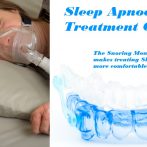
What Is A Snoring Mouthpiece? A snoring mouthpiece is a non-invasive, comfortable and affordable option for treating moderate sleep problems and disorders. If you snore, wake up feeling tired, constantly feel fatigued, or suffer from broken sleep, a snoring mouthpiece can be a simple and effective way to treat your sleep issues and help you say goodnight to interrupted sleep. How do snoring mouthpieces work? A snoring mouthpiece is an oral appliance, which positions the lower jaw forward. Moving the lower jaw forward allows the back of your throat to open, preventing your airway from collapsing during sleep and reducing your ability to snore. The mouthpieces can be customised and your dentist can assist you to ensure your snoring mouthpiece fits comfortably within your mouth. The devices are user friendly and easy to insert and remove. Why a snoring mouthpiece? When it comes to treatment options for sleep issues and disorders, snoring mouthpieces are the least invasive treatment option available. Alternatives to snoring mouthpieces include the Continuous Positive Airway Pressure (CPAP) machine, which some find difficult to sleep with and intrusive. The other option is surgery. Snoring mouthpieces are an effective anti-snoring solution and proven to treat moderate sleep apnoea and similar sleep disorders. Sleep apnoea Snoring can be a warning sign of a serious condition known as obstructive sleep apnoea. If you have obstructive sleep apnoea you can stop breathing while sleeping from 10 seconds to more than a minute due to your airway collapsing. This results in broken sleep leaving you feeling tired when you wake and exposing you to the risk of accident and injury due to fatigue. Sleep apnoea and other sleep disorders are serious and can be associated with high blood pressure, diabetes, stroke and heart attack. What are the symptoms of obstructive sleep apnoea? Obstructive sleep apnoea symptoms include gasping or choking at times during sleep, excessive tiredness during the day and fatigue related issues, and fractured teeth and fillings. Sleep disorder diagnosis Medibyte Home Sleep Testing Equipment allows you to undergo an analysis of your sleep experience from the comfort of your own home. The overnight sleep test can diagnose sleep disorders, including sleep apnoea, and assess whether it is mild, moderate or severe. Your dentist can then recommend the best course of action for treatment, with snoring mouthpieces the recommended treatment for moderate sleep apnoea. Contact Robert Duhig today on (07) 3269 2443 to find out how a snoring mouthpiece can help...

Read More

Invisalign Vs Braces - Information For Parents

Invisalign Vs Braces – Information For Parents

Invisalign Vs Braces – Information For Parents It’s time to get your teen’s teeth straightened, but you can’t decide whether Invisalign vs braces is the best option. We take a look at these two teeth straightening methods to help you decide which is suitable for your teen. What is Invisalign? Invisalign uses clear, custom-fit trays to straighten teeth. The trays, known as aligners, are contoured to move teeth to the correct position. Aligners should be worn approximately 22 hours per day, but can be removed when required. Aligners are worn for about two weeks before your teen progresses to a new set of aligners. Progress is monitored every six weeks with average treatment time approximately one year. Invisalign is an alternative to braces for straightening teeth, resolving overcrowding, and closing gaps. Invisalign vs braces While Invisalign and braces are both effective options in straightening your teen’s teeth, they have their pros and cons. Invisalign benefits · Clear aligners are virtually invisible. · Aligners are made of smooth and comfortable plastic. · Aligners are removable making eating easier. · No food restrictions. · Easy to maintain good oral health. As if being a teenager isn’t hard enough, adding teeth straightening into the mix can be the straw that breaks the camel’s back. With Invisalign, your teen can have the confidence to be themselves and keep smiling regardless of whether or not they are undergoing teeth straightening treatment. With Invisalign, you don’t have to be wary of what foods your teen eats for fear of getting food stuck in them or having highly coloured foods or drinks stain clear braces. Invisalign disadvantages · May not be suitable for all teeth straightening cases. · Reminding your teen to insert aligners after every meal. · Teeth must be brushed after every meal. The Invisalign specialists at Robert Duhig Dental can help you determine if the Invisalign method is right for your teen. They will also promote good oral hygiene habits and stress the importance of removing and inserting aligners. Braces benefits Traditional braces use metal wires and brackets to straighten teeth. · Permanent for a specified period. No need to remove when eating or brushing. · Can treat most teeth straightening issues. · Approximately monthly check ups and tightening. Braces disadvantages · Wires and brackets are visible. · Wires and brackets can poke and irritate the inside of the mouth causing ulcers. · Brushing and flossing requires more effort. · Food restrictions. Invisalign for adults Invisalign is the perfect option for adults wanting to achieve a winning smile with minimal impact on everyday life. Robert Duhig can also whiten your teeth to perfect your smile. Robert Duhig Dental staff are experienced Invisalign fitters....

Read More

What Diseases Can A Dentist Diagnose?

What Diseases Can A Dentist Diagnose?

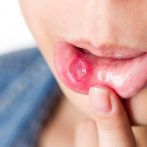
A simple visit to your dentist could give you early warning of serious diseases. Your dentist will examine your teeth, gums and your mouth overall and can check for signs of problems with your general health. At Robert Duhig Dental, we are passionate about patient health, and it doesn’t just stop with healthy teeth! Dental diagnostics for thousands of systemic diseases Your mouth can tell a thousand tales! There is mounting evidence that up to 90% of systematic diseases manifest oral symptoms, suggesting your dentist should be the first port of call for disease diagnosis. To ensure the best possible dental treatment, patients should: Choose a dentist and stick with that dentist Choose a dentist who is highly observant, and never “rushed” Make an appointment immediately if you notice any changes in your mouth Inform your dentist of any recent illnesses or symptoms Follow through with any further testing or treatment recommended   Warning signs it’s time to make an appointment Many of the common warning signs of serious disease can also be something completely benign. It’s vital to check with your dentist to be sure. A dental diagnosis will often rule out serious disease and your dentist can help you with simple ways to prevent further problems. Mouth Ulcers We’ve all had an ulcer from time to time, and usually it’s a symptom of a minor bacterial infection in your mouth or an issue with the alignment of your teeth. Mouth ulcers are rounded sore/s inside your mouth that have swelling and tenderness around the sore. If you’re frequently suffering from ulcers, have mouth ulcers that won’t heal or have a particularly bad outbreak, this may be a sign of “nothing serious” but can also indicate: Reactions to drugs Reaction to certain chemicals Herpes simplex Autoimmune diseases Syphillis Gonorrhea TB Hand foot and mouth disease HIV Lymphoma Diabetes Mellitus Behcet’s Syndrome Inflammatory bowel disease Rare forms of arthritis Wegener’s Granulomatosis Fungal diseases Various cancers Varicella Rubeola Epidermolysis Bullosa     Oral Lesions Oral lesions are discoloured spots or shapes inside your mouth. They can be white, purple, brown, black or even near to invisible, they can be very painful or not painful at all. Different kinds of lesions appear in different parts of the mouth and can be completely harmless or very serious. Because there are so many types and because they appear in so many places, it’s impossible to self-diagnose an oral lesion. If you notice a change in your mouth, it’s time to see a dentist. A lesion could be a simple, no worries issue or it could indicate: Oral cancer Submucous fibrosis Fordyce’s ganules Ectopic lymphoid tissue Cysts Parulis Lipoma HIV Vascula diseases Pregnancy Various granulomas Yeast...

Read More

What happens at a halitosis test?

What happens at a halitosis test?

Halitosis can be a serious condition. It can be a sign of something wrong in your digestive system or an early indicator of diseases of the mouth. It’s one of the most ignored signs of disease because sufferers find it an embarrassing condition. There’s a simple halitosis test that is non-invasive, quick and scientifically proven to get to the heart of the problem – and Robert Duhig Dental has one of the few testing apparatus in Queensland. Testing bad breath for chemical signatures A halitosis test is designed to detect chemical signatures in your mouth. These signatures can then be used to determine the kind of bacteria causing sour breath so we can put a treatment plan in place. Bacterial imbalance in the mouth is usually caused by anaerobic bacteria that cause minor breakdowns of tissue in the mouth, the results are hydrogen sulphide, methyl mercaptan and dimethyl sulphide – stinky gasses that cause bad breath. These anaerobic bacteria are hardy little suckers too – often immune to mouthwash and anti-biotics. If you’ve found that no matter how much brushing you do, you still suffer halitosis, a solution may be one simple appointment away.   Often treatment is as simple as using pro-biotic lozenges for a couple of weeks. If there is a deeper problem, including gum disease, your dental hygienist can usually help you put a plan in place to reverse the effects. Your halitosis check Your halitosis check is a simple procedure. A dental hygienist will first explain what you need to know about the test and ask you some questions about your halitosis. Halitosis can be caused by rapid weight loss diets, medications, certain foods – not just your dental hygiene regime. Next your dentist will do a basic examination of your teeth and gums to ensure there’s no underlying causes such as gingivitis or periodontal gum disease. This quick, simple examination could prevent long term and costly dental problems. A sample of your breath will then be taken via a syringe (no needle required!) and then inputted into the gas analysis machine for testing. The testing machine then generates a print out of the breakdown of gasses in your mouth. Your dentist will analyse the make-up of your mouth’s “eco-system” and determine the underlying problem. In most cases, the diagnosis will be an imbalance of “good bacteria” in your mouth. This allows for pockets of “bad bacteria” to build up. Treatment and prognosis On rare occasions, your dentist may refer you to your GP for further testing. This may be when a bad breath issue is likely linked to an underlying health issue. Treatment is usually pro-biotic dental lozenges and an adjustment to your dental...

Read More

Get Oral Probiotics In Brisbane

Get Oral Probiotics In Brisbane

Get Oral Probiotics In Brisbane Probiotics are the name given to the good bacteria that live throughout your digestive tract. You’re probably aware that probiotic supplements can help with all kinds of digestive problems, but did you know that you can get specific oral probiotics formulated to keep your mouth healthy and even help combat bad breath? If you’re in Brisbane, you can now buy the world’s first probiotic developed to maintain a healthy mouth and throat.   Bad breath is caused by sulphur producing bacteria Only 1% of bad breath is due to food and diet; a whopping 90% is due to various factors that allow bad bacteria in your mouth to proliferate and produce the volatile sulphur compounds that are responsible for bad breath.   Healthy mouth bacteria A healthy mouth should be populated with abundant numbers of the oral probiotic bacteria, Streptococcus salivarius. Poor oral hygiene, alcohol, antibiotics, sugar, antibacterial mouthwashes and other factors all result in lower levels of these good bacteria, allowing sulphur producing bacteria to flourish and cause bad breath. For reasons that doctors and researchers still can’t figure out, some people can do all the right things to keep their mouth healthy and clean but still have low levels of healthy bacteria and suffer bad breath as a result. In other words, some people are naturally blessed with high levels of healthy bacteria in their mouth. So if you’re diligent with your dental care but still battle bad breath, an oral probiotic will help.   Streptococcus salivarius K12 and BLIS Oral probiotics containing the bacteria Streptococcus salivarius K12 have been developed at The University of Otago, New Zealand by Professor John Tagg. Professor Tagg first discovered this treatment while looking for protective bacteria in the saliva of children who seemed resistant to developing throat infections. Oral probiotics were born when he noticed that this particular strain of bacteria produced antimicrobial substances that reduced numbers of bad bacteria in the mouth and throat. These antimicrobial substances were called BLIS and he termed the phrase BLIS K12 to describe Streptococcus salivarius K12.   How oral probiotics work to keep your breath fresh Oral probiotics that contain Streptococcus salivarius K12 work in two ways to keep down the levels of bad breath bacteria. 1. They crowd out the bad bacteria, and 2. They produce BLIS, bacteriocin like inhibitory substances, which attack and kill bad breath bacteria by rupturing their cell wall. BLIS also prevents them from being able to reproduce.   Oral probiotics for a healthy mouth and throat The world’s first oral probiotics containing BLISK12, designed specifically to combat bad breath and promote a healthier mouth and throat, are now available in Brisbane at...

Read More